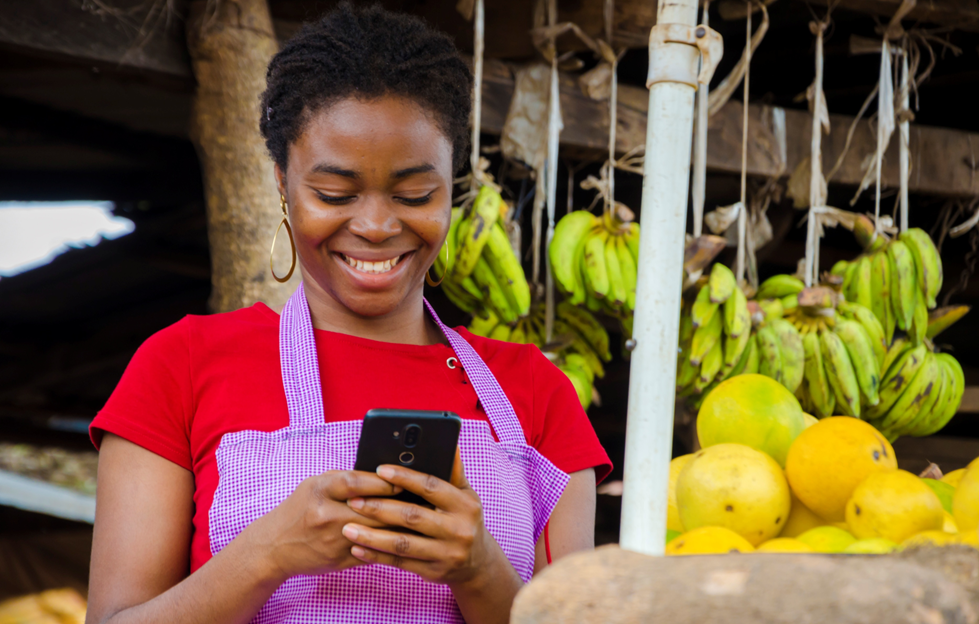
In East Africa, where traditional banking services are often out of reach for many, mobile money has emerged as a transformative force. Platforms like M-Pesa, Airtel Money, and MTN Mobile Money have revolutionized how people send, save, and spend money, making financial services accessible to millions. By bridging the gap between the unbanked and the financial system, mobile money is driving economic inclusion, reducing poverty, and empowering businesses. This article explores the impact of mobile money on financial access in East Africa.
Revolutionizing Financial Inclusion
Mobile money platforms have significantly increased financial inclusion in East Africa. With a mobile phone, users can open an account, transfer money, pay bills, and even access credit without visiting a bank. This accessibility is particularly beneficial in rural areas where banking infrastructure is limited or nonexistent.
Kenya’s M-Pesa, for example, serves over 50 million users across Africa. The platform has enabled smallholder farmers to receive payments for their produce directly, bypassing intermediaries. Similarly, informal workers can now save and access funds conveniently, contributing to financial security.
Boosting Small Businesses and Entrepreneurs
Small and medium-sized enterprises (SMEs) are the backbone of East Africa’s economy, and mobile money has become a critical enabler for their growth. Entrepreneurs use mobile money to pay suppliers, receive customer payments, and manage cash flow efficiently. With additional services like mobile loans and savings accounts, business owners can access much-needed capital to expand their operations.
In Uganda, SMEs using Airtel Money have reported faster transaction processing and reduced operational costs. This efficiency allows businesses to focus on scaling rather than managing logistical challenges.
Cross-Border Trade and Mobile Payments
Mobile money has also facilitated cross-border trade within East Africa, promoting regional economic integration. Services like M-Pesa Global allow users to send money across borders instantly, eliminating the high costs and delays associated with traditional banking systems. This innovation is particularly significant for traders who depend on quick and secure transactions to operate in multiple countries.
For example, cross-border traders in Uganda and Kenya use mobile money to settle payments for goods purchased in real-time, fostering trust and efficiency in business relationships.
Challenges and Future Opportunities
Despite its success, mobile money faces challenges such as high transaction fees, regulatory hurdles, and cybersecurity risks. In some cases, limited smartphone penetration and digital literacy also pose barriers to wider adoption. Addressing these issues requires collaboration between governments, telecom providers, and financial institutions to lower costs, improve security, and enhance digital education.
As the mobile money ecosystem evolves, opportunities such as blockchain integration and AI-powered financial services are expected to further revolutionize the sector, offering more sophisticated solutions for users.
Mobile money has transformed financial access in East Africa, empowering individuals and businesses with convenient, affordable, and secure financial services. By fostering economic inclusion and promoting regional trade, it has become a cornerstone of the region’s economic growth. With continued innovation and collaboration, mobile money will remain a driving force in shaping the future of East Africa’s financial landscape.